
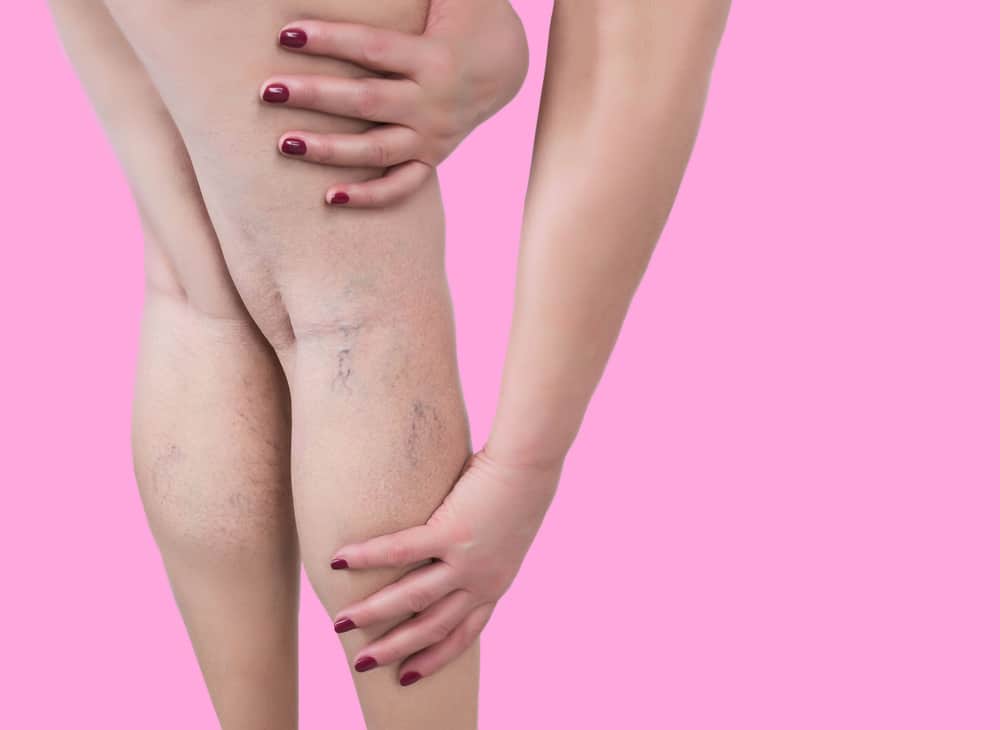
Wounds on the lower legs normally begin to heal within several days after an injury. When a wound does not improve or continues to reopen, it may indicate an underlying circulation problem. At Vein Specialists of Geneva & Elk Grove, Dr. Kevin P. Kern evaluates poorly healing leg wounds that may be related to vein disease and impaired circulation.
How Vein Disease Affects Wound Healing
One of the most common causes of slow-healing wounds in the lower legs is chronic venous insufficiency. When vein valves fail, blood flows backward and collects in the veins of the legs. This condition increases pressure inside the veins and leads to a problem known as chronic venous hypertension.
Chronic venous hypertension places continuous pressure on the tissues of the lower leg. Over time, this pressure triggers inflammation and damages the small blood vessels and lymphatic channels that normally help maintain healthy tissue.
As these structures weaken, fluid begins to leak into the surrounding tissues, causing swelling in the lower legs. Red blood cells may also escape from damaged capillaries, leaving behind iron pigment that can cause skin discoloration.
Reduced circulation and tissue swelling lower oxygen levels in the skin and soft tissues of the leg. Without adequate oxygen and nutrient delivery, even minor skin injuries may struggle to heal properly.
Venous Ulcers and Non-Healing Wounds
In general, a wound that fails to heal after several weeks or repeatedly reopens may be considered a chronic wound. When tissue damage extends deeper into the skin and underlying layers, the wound may develop into a venous ulcer. These ulcers most often appear near the ankle and can range from very small areas to larger ulcers several inches in diameter.
Although some venous ulcers may cause only mild discomfort, others can become painful or infected if left untreated. Minor wounds on the lower legs should typically show signs of healing within about a week. When healing does not occur, evaluation of the underlying circulation is important.
Modern Treatment for Venous Ulcers
Historically, treatment for venous ulcers relied primarily on compression therapy and wound care. While compression can help improve circulation and support healing, recurrence rates were often high when compression was used alone.
Today, the standard approach focuses on treating the underlying vein disease as well as the wound itself. Minimally invasive vein procedures can close malfunctioning veins responsible for venous insufficiency while compression therapy supports circulation during healing.
By addressing the source of the circulation problem, modern vein treatments can help ulcers heal more quickly and significantly reduce the risk that they will return.
Symptoms Associated with Venous Ulcers
Poorly healing wounds on the lower legs are often accompanied by additional symptoms related to chronic venous insufficiency and impaired circulation. In many cases, patients experience symptoms for months or even years before a wound develops.
Common symptoms associated with venous disease may include:
- Swelling in the ankles, calves, or lower legs
- Leg heaviness or fatigue, especially later in the day
- Aching, throbbing, or cramping discomfort
- Visible varicose veins or spider veins
- Skin discoloration around the ankles or shins
- Dry, itchy, or hardened skin on the lower legs
- Tenderness surrounding the wound
- Wounds that repeatedly reopen after partial healing
These symptoms often worsen after prolonged standing or sitting and may gradually progress over time as vein disease advances. Because many people assume these changes are simply part of aging, vein disease frequently goes untreated until more serious complications develop.
Who Is at Risk for Poorly Healing Leg Wounds?
Several factors may increase the likelihood of developing chronic venous insufficiency and lower leg wounds. Vein disease becomes more common with age, but it can affect adults of many different ages and activity levels.
Individuals who may have a higher risk of venous ulcers or non-healing wounds include those who:
- Have a history of varicose veins
- Spend long periods standing or sitting for work
- Have experienced prior leg injuries or blood clots
- Have a family history of vein disease
- Experience chronic leg swelling
- Are overweight or obese
- Have previously undergone vein treatments, but still experience symptoms
- Have occupations that place continuous pressure on the leg veins
Women are also more likely to develop venous disease due to hormonal changes and pregnancy, although men frequently experience chronic venous insufficiency as well.
Recognizing risk factors early may help patients seek treatment before circulation problems progress into more advanced skin damage or ulcer formation.
Advanced Vein Evaluation and Diagnosis
Proper diagnosis is an important part of treating poorly healing wounds and venous ulcers. At Vein Specialists of Geneva & Elk Grove, Dr. Kern performs comprehensive vein evaluations to determine whether underlying venous insufficiency is contributing to the wound.
Diagnostic evaluation often includes a duplex ultrasound examination, which allows the veins in the legs to be mapped in real time. Ultrasound imaging helps identify damaged vein valves, abnormal blood flow patterns, and areas where blood may be pooling in the lower extremities.
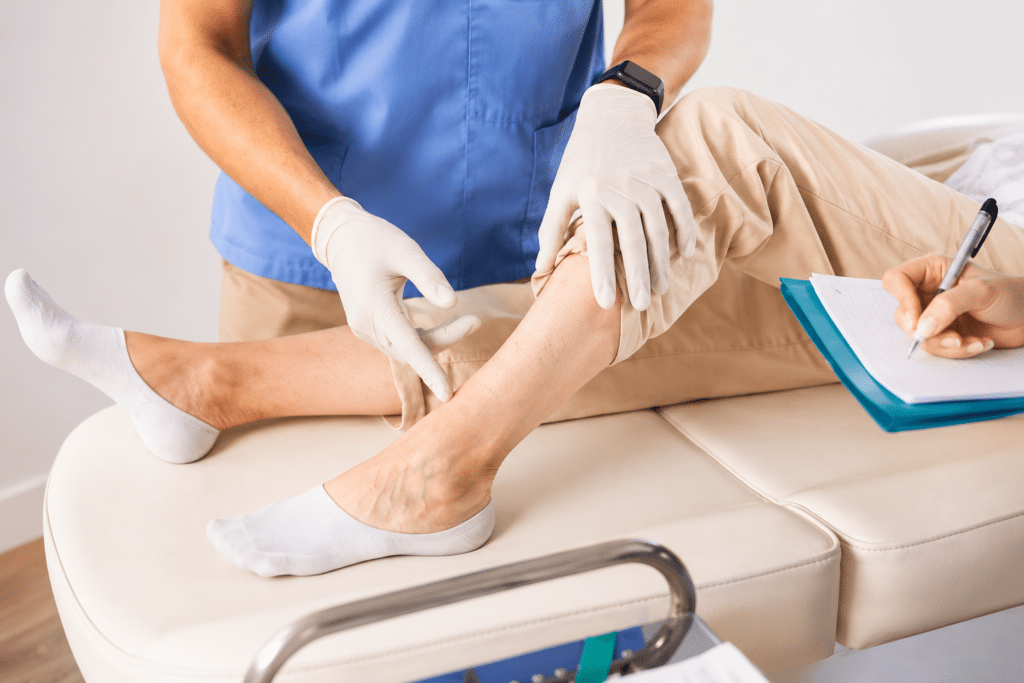
This detailed evaluation allows Dr. Kern to create a highly personalized treatment plan based on the patient’s individual circulation concerns, symptoms, and severity of vein disease. Because no two cases are exactly alike, treatment recommendations are carefully tailored to support improved circulation and long-term healing.
Why Early Treatment for Vein Disease Matters
Poorly healing wounds and venous ulcers often become more difficult to manage when the underlying circulation problem continues to progress. Early treatment of chronic venous insufficiency may help improve blood flow in the legs before more advanced tissue damage develops.
Addressing vein disease earlier can often help reduce leg swelling, discomfort, and venous pressure while supporting the body’s natural healing process. Modern minimally invasive vein procedures are designed to target malfunctioning veins with minimal disruption to surrounding tissue, allowing many patients to return to normal daily activities quickly.
By identifying and treating vein disease before symptoms worsen, patients may reduce the likelihood of recurrent wounds, ongoing skin changes, and chronic inflammation in the lower legs.
Why Choose Vein Specialists of Geneva & Elk Grove
At Vein Specialists of Geneva & Elk Grove, vein disease is the sole focus of the practice. Patients with poorly healing wounds or venous ulcers receive evaluation from Dr. Kevin P. Kern, a board-certified physician with more than 25 years of experience diagnosing and treating disorders of the leg veins.
Dr. Kern has performed thousands of minimally invasive, catheter-based, and ultrasound-guided vascular procedures and regularly treats conditions ranging from chronic venous insufficiency to advanced complications such as venous ulcers. This focused expertise allows patients to receive accurate diagnosis and treatment aimed at improving circulation and supporting long-term healing.
Schedule Your Vein Evaluation
If you have a wound on your lower leg that is not healing or continues to reopen, it may be related to an underlying vein condition. Call 630-425-0800 to schedule your consultation at Vein Specialists of Geneva & Elk Grove and learn more about treatment options for poorly healing leg wounds.